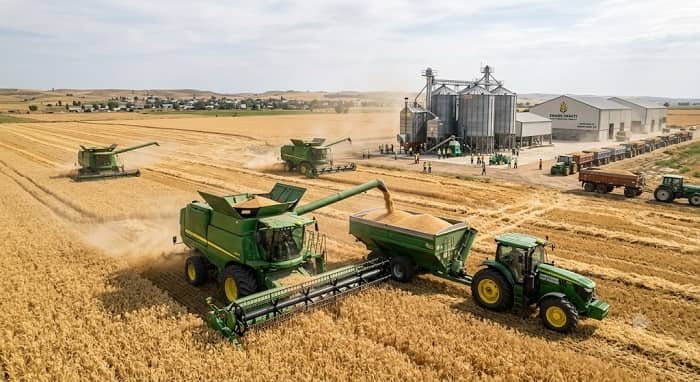
Wheat is not just a crop standing quietly in golden fields. It is the grain behind warm bread, soft chapati, noodles, pasta, biscuits, cakes, breakfast cereals and countless meals served across the world every single day. A good wheat harvest can calm food markets, support farmers and keep kitchen budgets stable. A poor harvest, on the other hand, can disturb prices from local flour mills to international grain ports.
In 2026, wheat remains one of the world’s most important food crops. According to USDA’s June 2026 grain data, global wheat production for 2025/26 is estimated at about 844.35 million metric tons. This list counts individual countries, not the European Union as one bloc.
1. China – Around 140.07 Million Metric Tons
China is the world’s wheat leader because it produces on a massive scale and consumes most of it at home.
China ranks first among the largest wheat producers in the world. Its major wheat-growing regions include Henan, Shandong, Hebei, Anhui and Jiangsu. Wheat is used widely in Chinese food culture, especially for noodles, steamed bread, dumplings and bakery products. Because China has a huge population, most of its wheat is used for domestic food needs rather than exports.
2. India – Around 117.95 Million Metric Tons
India’s wheat power comes from fertile northern plains, winter farming and strong demand for roti-based diets.
India is the second-largest wheat producer in the world. The crop is mainly grown in Uttar Pradesh, Madhya Pradesh, Punjab, Haryana, Rajasthan and Bihar. Wheat is deeply connected with Indian food habits, especially in the form of roti, paratha, puri and bread. Good irrigation, improved seeds and government procurement have helped India maintain strong wheat output.
3. Russia – Around 90.30 Million Metric Tons
Russia is a giant wheat producer and one of the strongest forces in the global export market.
Russia holds third place in wheat production. Its vast farming land and rich black soil make it ideal for large-scale wheat cultivation. Russian wheat is highly important for buyers in Africa, the Middle East and Asia. When Russia’s crop is strong, global wheat supply becomes more comfortable. When its exports face trouble, world wheat prices often react quickly.
4. United States – Around 54.01 Million Metric Tons
The United States stands out because it grows several types of wheat for different food industries.
The United States remains one of the most advanced wheat-producing countries. Kansas, North Dakota, Montana, Washington, Oklahoma and Texas are among its major wheat-growing states. The country produces hard red winter wheat, hard red spring wheat, soft wheat, white wheat and durum wheat. This variety makes U.S. wheat useful for bread, pasta, cakes, noodles and animal feed.
5. Canada – Around 39.96 Million Metric Tons
Canada is known worldwide for high-quality wheat used in strong flour and premium bread products.
Canada ranks fifth in global wheat production. Its main wheat belt lies in the Prairie provinces of Saskatchewan, Alberta and Manitoba. Canadian wheat is valued in international markets for its protein strength and milling quality. Although Canada’s population is small, its export importance is huge, making it one of the most respected wheat suppliers in the world.
6. Australia – Around 35.99 Million Metric Tons
Australia’s wheat strength lies in large farms, export-focused production and strong Asian market demand.
Australia is one of the biggest wheat exporters in the world. Wheat is mainly grown in Western Australia, New South Wales, Victoria, South Australia and Queensland. The crop depends strongly on rainfall, so weather conditions play a major role every year. Australian wheat is widely shipped to Asian countries because of its quality and location advantage.
7. Pakistan – Around 28.98 Million Metric Tons
Pakistan depends heavily on wheat, making it the backbone of daily food and national food security.
Pakistan is a major wheat producer in South Asia. Punjab and Sindh are the most important wheat-growing regions. Wheat is used daily in roti, naan and other staple foods. The Indus irrigation system supports wheat farming, but heat, water shortage and rising population remain major challenges for the country’s food system.
8. Argentina – Around 27.92 Million Metric Tons
Argentina is South America’s wheat powerhouse and an important supplier for nearby export markets.
Argentina ranks among the top wheat producers because of its fertile farming regions and export-friendly agriculture. Buenos Aires, Córdoba and Santa Fe are key wheat-growing areas. Argentina’s harvest season also helps global supply because it comes at a different time from many Northern Hemisphere producers. Brazil is one of its major wheat buyers.
9. Ukraine – Around 24.10 Million Metric Tons
Ukraine remains one of the world’s key wheat producers despite serious war-related challenges.
Ukraine has long been called one of Europe’s great grain baskets. Its rich black soil supports wheat, corn, barley and sunflower farming. Wheat remains important for both domestic food use and exports. Even after facing conflict, damaged infrastructure and shipping difficulties, Ukraine continues to hold a strong position in global wheat production.
10. Kazakhstan – Around 19.33 Million Metric Tons
Kazakhstan is a major wheat supplier for Central Asia and nearby import-dependent countries.
Kazakhstan completes the list of the top 10 largest wheat-producing countries. Its vast steppe lands are suitable for spring wheat cultivation. The country exports wheat to Central Asia, Afghanistan and parts of the Middle East. Harsh weather and irregular rainfall can affect output, but Kazakhstan remains an important name in the wheat trade.
Final Words
Wheat is more than a farm crop. It is a daily food, a trade product and a pillar of food security. China, India and Russia lead the world in production, while the United States, Canada, Australia, Pakistan, Argentina, Ukraine and Kazakhstan keep the global wheat supply moving. In 2026, these countries continue to shape the world’s breadbasket.