Platinum is one of the rarest and most valuable metals in the world. It may look like a simple silver-white metal, but its importance is huge. From jewellery and vehicle catalytic converters to electronics, medical tools, chemical industries and hydrogen fuel-cell technology, platinum quietly supports many modern industries.
Unlike iron, copper or aluminium, platinum is not produced in very large quantities. Even the world’s top producers mine only a few hundred tonnes combined. This makes platinum a highly strategic metal in the global market.
For this 2026 list, the ranking is mainly based on the latest available platinum mine production data, not platinum reserves, jewellery demand, recycling or total platinum-group metals. Recent production tables place global platinum mine output at around 170 metric tons, with South Africa leading by a very wide margin.
Now let’s check out the top 10 largest producers of platinum in the world in 2026.
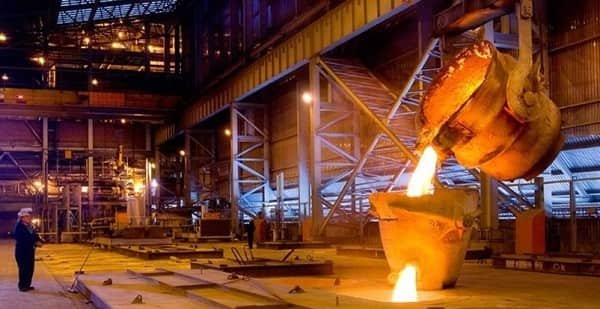
1. South Africa – Around 120 Metric Tons
South Africa is the undisputed king of platinum and produces more than half of the world’s total supply.
South Africa ranks first by a huge margin. The country’s platinum strength comes mainly from the Bushveld Igneous Complex, one of the richest platinum-bearing regions on Earth. Important mining zones include the Merensky Reef, UG2 Reef and Platreef. Platinum mining is a major part of South Africa’s mineral economy and supports exports, employment and industrial revenue. Even with power problems, labour issues and rising mining costs, South Africa remains the strongest country in global platinum production.
2. Zimbabwe – Around 19 Metric Tons
Zimbabwe is the second-largest platinum producer and one of Africa’s most important mining nations.
Zimbabwe’s platinum industry is mainly based around the Great Dyke, a long geological belt rich in platinum-group metals. Major mining operations such as Zimplats, Mimosa and Unki have made the country a serious player in the global platinum market. Platinum is one of Zimbabwe’s most valuable mineral exports. With more investment and development, Zimbabwe can become even more important in the coming years.
3. Russia – Around 18 Metric Tons
Russia remains a major platinum producer, especially because of its strong nickel and copper mining base.
Russia ranks third in platinum production. Most of its platinum comes as a by-product from nickel-copper mining, especially in the Norilsk region of Siberia. Russia is also a major producer of other platinum-group metals, especially palladium. Even though geopolitical issues and sanctions have affected the mining trade, Russia continues to hold an important place in the global platinum supply chain.
4. Canada – Around 5.2 Metric Tons
Canada is a smaller producer compared with South Africa, Zimbabwe and Russia, but it remains an important North American supplier.
Canada’s platinum is mostly linked with nickel and copper mining. The Sudbury Basin in Ontario is one of the best-known mining regions connected with platinum-group metals. Canada has a strong mining system, modern technology and stable export infrastructure. Its production may be limited, but it helps reduce the world’s dependence on only a few major platinum-producing countries.
5. China – Around 2.8 Metric Tons
China produces a small amount of platinum, but its real importance is as one of the world’s biggest consumers.
China ranks fifth in the latest available production list. The country uses platinum in automobiles, chemicals, electronics, jewellery and clean-energy technologies. However, domestic production is not enough to meet its huge industrial demand. That is why China depends heavily on imports from major producers such as South Africa, Russia and Zimbabwe.
6. United States – Around 2 Metric Tons
The United States is a small but strategically important platinum producer.
The main platinum production in the United States comes from Montana, especially the Stillwater and East Boulder mining operations. These mines are important because they are among the few primary platinum-group metal sources in the country. Though output is not very large, platinum is valuable for the U.S. because it is used in vehicles, electronics, defence, clean-energy systems and advanced industrial applications.
7. Finland – Around 1.2 Metric Tons
Finland is one of Europe’s notable platinum producers, though its output is quite small.
Finland’s platinum production is mainly connected with nickel and other base-metal mining. The country has a modern mining industry and good processing ability. In Europe, where platinum production is limited, Finland’s role becomes more important. Its output may not match the African giants, but it adds a useful European share to global platinum supply.
8. Colombia – Around 500 Kilograms
Colombia has a long history of platinum mining, especially from alluvial and river-based deposits.
Colombia is not a large platinum producer today, but it has historical importance in the platinum world. Platinum has been found in western Colombia, especially in alluvial deposits. The country is better known for gold, coal and emeralds, but its small platinum production still keeps it among the world’s listed producers.
9. Australia – Around 100 Kilograms
Australia is a global mining giant, but its platinum production is very small.
Australia is famous for iron ore, gold, lithium, coal and bauxite, but not for large-scale platinum mining. Its platinum output is usually connected with broader mineral exploration and small quantities recovered from suitable deposits. Even with low production, Australia appears in the top 10 because only a limited number of countries produce platinum in measurable quantities.
10. Ethiopia – Around 30 Kilograms
Ethiopia completes the list with very small but recorded platinum production.
Ethiopia’s platinum output is tiny compared with South Africa or Zimbabwe. Still, the country has known mineral potential, including gold and other metals. Platinum occurs in small quantities, and future exploration may improve understanding of its deposits. At present, Ethiopia’s role in global platinum production is small but still notable.
Final Words
Platinum production in 2026 is clearly dominated by South Africa, while Zimbabwe and Russia form the next major group. Canada, China and the United States add smaller but important production, while Finland, Colombia, Australia and Ethiopia complete the top 10. Because platinum is rare and highly useful in vehicles, jewellery, industries and clean-energy technology, these countries remain very important for the global supply of this precious metal.