Coffee has a journey that feels almost magical. It begins as a small cherry on green hills, passes through the hands of farmers, dries under the sun, travels across oceans, enters roasting machines, and finally becomes that warm cup which wakes up millions of people every morning. From espresso bars in Europe to filter coffee in India, from Vietnamese iced coffee to Brazilian blends, coffee is more than a drink. It is a daily habit, a business, a culture and a global trade giant.
In 2026, the world coffee market is led by countries with tropical climates, rich soils, mountain farms and strong export networks. The latest USDA 2025/26 estimate places global coffee production at about 178.85 million 60-kg bags, with Brazil, Vietnam, Colombia, Indonesia and Ethiopia leading the chart.
Now let’s check out the top 10 largest producers of coffee in the world in 2026.
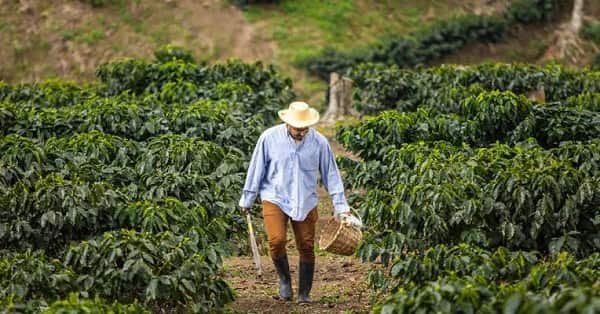
1. Brazil – Around 63 Million Bags
Brazil is the largest coffee producer in the world in 2026. Its famous coffee-growing regions include Minas Gerais, São Paulo, Espírito Santo, Bahia and Paraná. The country produces both Arabica and Robusta coffee, making it powerful in different segments of the market. Brazilian coffee is widely used in blends, instant coffee, espresso and commercial coffee products across the world.
2. Vietnam – Around 30.8 Million Bags
Vietnam ranks second among the largest coffee producers. The Central Highlands, especially Dak Lak, Lam Dong and Gia Lai, are the heart of its coffee farming. Vietnam is best known for Robusta coffee, which has a stronger taste and higher caffeine content than Arabica. Its coffee is important for instant coffee, espresso blends and popular Vietnamese iced coffee.
3. Colombia – Around 13.8 Million Bags
Colombia holds third place in global coffee production. Coffee is grown mainly in regions such as Antioquia, Huila, Tolima, Caldas, Quindío and Risaralda. Colombian coffee has a strong global identity because of its smooth taste, aroma and premium Arabica quality. The country’s mountain farms and traditional hand-picking methods help maintain its reputation in the specialty coffee market.
4. Indonesia – Around 12.45 Million Bags
Indonesia ranks fourth in the world. Sumatra is its most important coffee-producing region, while Java, Sulawesi, Bali and Flores also have well-known coffee areas. The country produces a large amount of Robusta, along with some respected Arabica varieties. Indonesian coffee is known for earthy, bold and rich flavours, making it popular among coffee lovers and specialty roasters.
5. Ethiopia – Around 11.56 Million Bags
Ethiopia ranks fifth among the largest coffee producers. Coffee is deeply connected with Ethiopian culture, farming and daily life. Major coffee regions include Sidamo, Yirgacheffe, Jimma, Harrar and Limu. Ethiopian Arabica is loved for its floral, fruity and complex flavour. Many coffee experts consider Ethiopia one of the most exciting origins for specialty coffee.
6. Uganda – Around 6.88 Million Bags
Uganda is the sixth-largest coffee producer in the world. The country grows both Robusta and Arabica, but Robusta dominates production. Coffee farming supports millions of small farmers and plays a major role in Uganda’s export earnings. Arabica is grown in highland areas such as Mount Elgon and the Rwenzori region, while Robusta is widely grown in lower-altitude zones.
7. India – Around 6.05 Million Bags
India ranks seventh in global coffee production. Coffee is mainly grown in Karnataka, Kerala and Tamil Nadu, with Karnataka contributing the largest share. Indian coffee is often grown under shade, alongside spices and forest trees, giving it a distinct character. The country produces both Arabica and Robusta, and its coffee is used in domestic filter coffee as well as export markets.
8. Honduras – Around 5.8 Million Bags
Honduras ranks eighth among the largest coffee-producing countries. Coffee is grown across several highland regions, including Copán, Montecillos, Opalaca and Agalta. The country is known mainly for Arabica coffee. Coffee supports thousands of small farmers and is one of Honduras’s most important agricultural exports. Its specialty coffee reputation has also improved strongly in recent years.
9. Peru – Around 4.2 Million Bags
Peru holds ninth place in global coffee production. Coffee is mainly grown in regions such as Cajamarca, Junín, San Martín and Cusco. Many Peruvian farms are small and located in mountain areas, where the climate supports quality Arabica production. Peru has also become an important supplier of organic and specialty coffee for international buyers.
10. Mexico – Around 3.9 Million Bags
Mexico ranks tenth among the largest coffee producers in the world. Coffee is mainly grown in Chiapas, Veracruz, Oaxaca and Puebla. Mexican coffee is mostly Arabica and is known for mild, balanced flavours. The sector is supported by many small farmers, cooperatives and regional coffee traditions. Its location also gives it easy access to the North American coffee market.
Final Words
Coffee connects farmers, traders, roasters, cafés and consumers in one long global chain. Brazil and Vietnam dominate by volume, while Colombia, Ethiopia, Indonesia and other countries add quality, flavour and diversity to the market. In 2026, these top coffee-producing nations continue to shape the taste, price and supply of the world’s favourite morning drink.