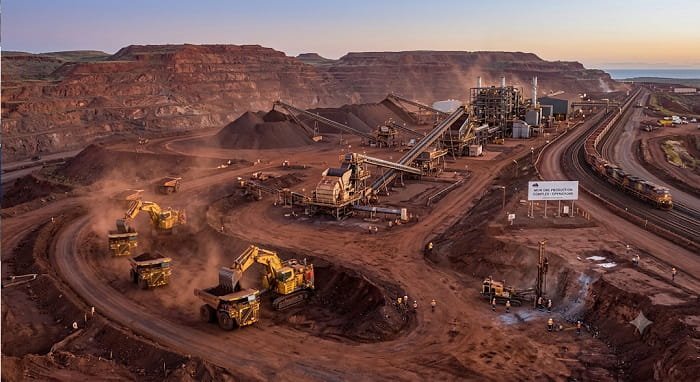
Coal may look like a dark rock pulled from deep inside the earth, but its role in the world is still massive. It powers factories, supports steel plants, runs power stations, fuels heavy industries and keeps many developing economies moving. Even as solar, wind and other clean energy sources are growing fast, coal remains one of the biggest energy sources in the global economy.
In 2026, global coal production is expected to stay above 9 billion tonnes, even after a small decline from the recent record level. The International Energy Agency projects world coal production at around 9.1 billion tonnes in 2026, with China, India and Indonesia remaining the biggest producers.
Now let’s check out the top 10 largest producers of coal in the world in 2026.
1. China – Around 4.76 Billion Tonnes
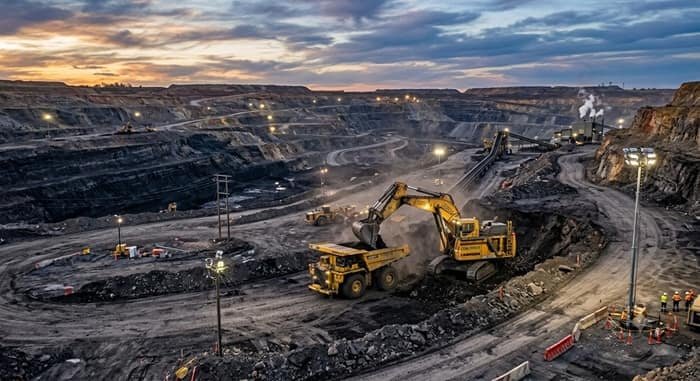
China is the world’s coal giant, producing more coal than any other country by a huge margin.
China remains the largest coal producer in the world in 2026. Its major coal-producing regions include Shanxi, Inner Mongolia, Shaanxi and Xinjiang. Coal is still central to China’s electricity generation, heavy industry, cement, chemicals and steel production. The IEA expects China’s coal output to be around 4.76 billion tonnes in 2026, keeping it far ahead of every other country.
2. India – Around 1.15 Billion Tonnes
India’s coal production is rising because the country needs huge energy supply for power, industry and growth.
India ranks second among the largest coal producers in the world. Coal mining is strong in states like Odisha, Chhattisgarh, Jharkhand, Madhya Pradesh, Telangana and West Bengal. Coal India Limited remains the biggest force in the sector, while captive and commercial mines are also expanding. The IEA projects India’s coal production to reach around 1.15 billion tonnes in 2026.
3. Indonesia – Around 721 Million Tonnes
Indonesia is one of the world’s biggest coal producers and a leading exporter of thermal coal.
Indonesia holds third place in global coal production. Major coal-producing areas include Kalimantan and Sumatra. Indonesian coal is widely exported to countries such as China, India and other Asian markets. However, the IEA expects Indonesia’s production to decline to around 721 million tonnes in 2026 because of weaker export demand and inventory pressure.
4. Australia – Around 447 Million Tonnes
Australia is a major coal producer with strong importance in both thermal coal and metallurgical coal exports.
Australia ranks fourth among the largest coal producers. Queensland and New South Wales are the two most important coal-producing states. Australian coal is important for power generation as well as steelmaking, especially metallurgical coal. The country remains a major supplier to Asian markets, including Japan, South Korea, India and China. IEA projections place Australia’s 2026 output at around 447 million tonnes.
5. United States – Around 434 Million Tonnes
The United States has huge coal reserves, but production has fallen over the years due to energy transition.
The United States ranks fifth in coal production. Major coal-producing areas include Wyoming’s Powder River Basin, West Virginia, Pennsylvania, Illinois and Kentucky. U.S. coal is used for power generation, industry and exports, though domestic coal demand has reduced compared with earlier decades. The IEA projects U.S. coal output at around 434 million tonnes in 2026.
6. Russia – Around 429–440 Million Tonnes
Russia remains a major coal producer, but sanctions, low prices and export pressure have created uncertainty.
Russia is one of the largest coal-producing countries in the world. Its major coal regions include Kuzbass, Siberia, Yakutia and the Far East. Russian coal is used domestically and exported mainly to Asian markets. Preliminary official Russian data reported about 440 million tonnes of coal in 2025, while CEIC data places Russia’s 2025 output near 429 million tonnes.
7. South Africa – Around 247 Million Tonnes
South Africa is Africa’s largest coal producer and coal remains the base of its electricity system.
South Africa ranks seventh in the world. Mpumalanga is the heart of the country’s coal mining industry, while Limpopo also has important reserves. Coal is deeply connected with South Africa’s power generation and industrial economy. The IEA expects South African coal production to rise to around 247 million tonnes in 2026.
8. Kazakhstan – Around 110 Million Tonnes
Kazakhstan is a key coal producer in Central Asia with strong domestic power-sector demand.
Kazakhstan ranks eighth among the largest coal producers. Important coal mining areas include Ekibastuz, Karaganda and Pavlodar. Much of the country’s coal is used for electricity generation and industrial fuel. Kazakhstan also supplies coal to nearby regional markets. The IEA projects its 2026 production to remain close to 110 million tonnes.
9. Mongolia – Around 102 Million Tonnes
Mongolia has grown fast as a coal producer because of strong demand from neighbouring China.
Mongolia ranks ninth in global coal production. The country is especially important for coking coal, which is used in steel production. Its mines in the South Gobi region are close to the Chinese border, giving Mongolia a strong export advantage. The IEA projects Mongolia’s coal production at around 102 million tonnes in 2026.
10. Germany – Around 90–100 Million Tonnes
Germany remains among the top coal producers mainly because of lignite, even as the country moves toward coal phase-out.
Germany completes the list of the top 10 largest coal producers in the world. The country no longer has active hard-coal mining, but it still produces lignite, also called brown coal. Major lignite regions include Rhineland, Lusatia and Central Germany. Germany’s coal production has been declining with the growth of renewables and its coal phase-out policy, but it still remains one of the world’s notable producers. GlobalData reported German coal production at about 101.84 million tonnes in 2024, with a declining trend expected in later years.
Final Words
Coal remains one of the most important energy minerals in the world, even during the clean-energy transition. China leads by a massive margin, India continues to expand production, and Indonesia, Australia, the United States and Russia remain major forces in global supply. South Africa, Kazakhstan, Mongolia and Germany complete the 2026 list, showing how coal production is still spread across Asia, Europe, Africa, North America and Australia.