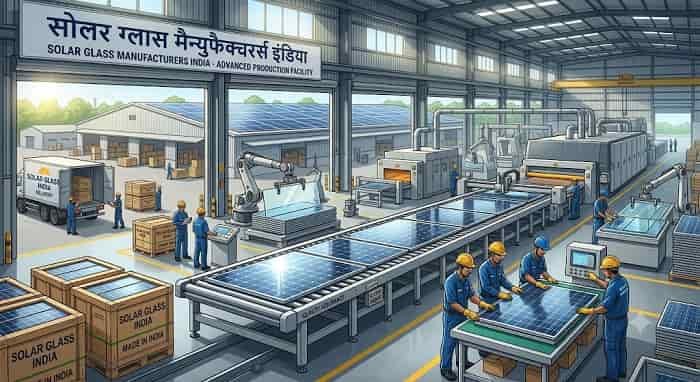
Silver has a quiet shine, but its importance is much bigger than jewellery. It is used in coins, bars, ornaments, electronics, solar panels, batteries, mirrors, medical products, automobiles and many industrial applications. This is why silver is not only a precious metal, but also an industrial metal with strong global demand.
According to the latest USGS Mineral Commodity Summaries 2026, world silver mine production rose to about 26,000 metric tons in 2025, compared with 25,300 metric tons in 2024.
Now let’s check out the top 10 largest producers of silver in the world in 2026.
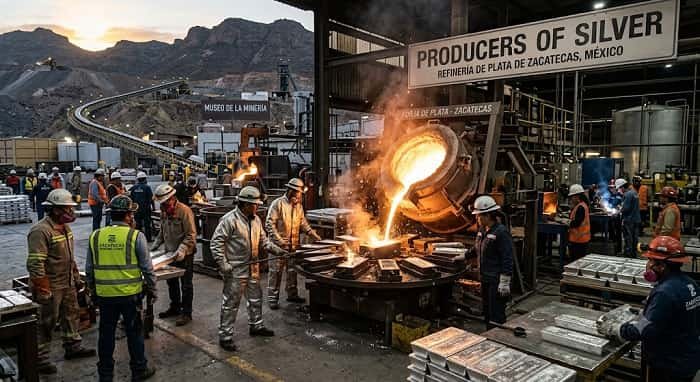
1. Mexico – Around 6,300 Metric Tons
Mexico ranks first among the largest silver producers in the world. The country has a long mining history and is famous for rich silver belts in states such as Zacatecas, Durango, Chihuahua and Sonora. Silver mining is an important part of Mexico’s mineral economy, and the country remains the biggest supplier in the global market.
2. Peru – Around 3,600 Metric Tons
Peru ranks second in global silver production. The country has rich mineral deposits in the Andes and is one of Latin America’s most important mining nations. Regions such as Pasco, Junín, Ancash and Arequipa are known for mining activity. Peru is also among the countries with the largest silver reserves, which supports its long-term production strength.
3. China – Around 3,400 Metric Tons
China is the third-largest silver producer in the world. Silver is mined in several provinces, often along with lead, zinc, copper and gold. The country’s silver is important for electronics, solar panels, jewellery, investment products and industrial uses. Since China is also a huge consumer of silver, much of its production supports domestic industries.
4. Bolivia – Around 1,500 Metric Tons
Bolivia ranks fourth in silver production. The country has been linked with silver mining for centuries, especially in areas such as Potosí. Silver is often produced along with zinc, lead and tin. Mining remains an important part of Bolivia’s economy, supporting exports, jobs and regional development.
5. Chile – Around 1,400 Metric Tons
Chile holds fifth place among the largest silver producers. Much of its silver is produced as a byproduct of copper and gold mining. The country’s mining industry is one of the most advanced in Latin America, with major operations in northern desert regions. Silver adds extra value to Chile’s already powerful mineral economy.
6. Poland – Around 1,300 Metric Tons
Poland ranks sixth in the world. Its silver production is closely linked with copper mining, especially through large mining operations in the Lower Silesia region. Poland’s output is important for Europe’s mineral supply and industrial base. Even though it is not always seen as a classic silver country, its production numbers are very strong.
7. Russia – Around 1,200 Metric Tons
Russia stands seventh in global silver production. Silver is mined across different regions, often along with gold and base metals. The country has rich mineral deposits in Siberia, the Far East and other mining zones. Despite trade and geopolitical challenges, Russia continues to remain one of the world’s top silver-producing nations.
8. United States – Around 1,100 Metric Tons
The United States ranks eighth in the world. According to USGS, U.S. mines produced about 1,100 metric tons of silver in 2025, with Alaska continuing as the leading silver-producing state, followed by Nevada. Silver is also recovered from base-metal and precious-metal operations in several states.
9. Australia – Around 1,000 Metric Tons
Australia ranks ninth among the largest silver producers. Its silver mining is linked with major mineral regions in Queensland, New South Wales, South Australia and Western Australia. Australia also holds one of the world’s largest silver reserve bases, giving it strong long-term potential in the global silver market.
10. Argentina and India – Around 800 Metric Tons Each
Argentina has important silver mining regions in provinces such as Santa Cruz, Jujuy and San Juan. Its silver output is often connected with gold and other metal mining. India also produced around 800 metric tons of silver in the latest USGS estimate, supported by mining and byproduct recovery from other metals. Because both countries are shown at the same production level, they share the final spot in this ranking.
Final Words
Silver production in 2026 is led by Mexico, followed by Peru and China. Bolivia, Chile, Poland, Russia, the United States and Australia also play major roles in the global supply chain. Argentina and India complete the list with similar output levels. With rising demand from solar energy, electronics, investment and industry, silver remains one of the most useful precious metals in the world.